8 Jan 2017

101 support for migrants

Support networks can help make staying easier.
Image
    Last year I  spoke to an immigrant cluster support network group, Wings.
    Wings has been running for nearly ten years and is a great example of a support network for immigrants, especially new immigrants and people new to the district. The group stood out as being warm, welcoming and with a variety of activities at different times of the day, caters for an extensive pool of interests.
    I spoke to this support group about the lifecycle of an immigrant and touched on some emotional challenges of immigration. Issues such as the difficulties when your loved ones are elderly or sick seemed timely to discuss, because before the talk one member had related that she had just returned from four months in California looking after her sick father. She was now on “stand by” waiting to hear of news that would need decisions and action.  Another member related that she had just found out that her brother-in-law had died that day. Tears exuded her fragility and I thought of the frustration she would probably be feeling from not being among those who loved him and so be able to share the grief together.
    In the question time, we talked abut connection with grandchildren or lack of it. One woman said, “You come here. You learn English. You let English be your main language at home so that your children will get the best out of school. Then when your parents come over, your children can’t communicate with their grandparents because they don’t have the same first language.”  The comment reminded me that language differences are a strong barrier when trying to keep connected with your loved ones and those in your adopted country.
    It was good to know that there was a place where these immigrants had a place to air their frustrations and challenges. Well done Wings.

There are times when you need help
You can read more about support networks from the free pdf chapter of my book, The Emotional Challenges of Immigration, download the chapter by clicking here.


17 Dec 2016

Christmas help

Celebration time in some parts of the world. Holiday time in others. Here is a useful resource from my book, chapter 14 on Surviving Christmas and other cultural celebrations. Read the chapter as a PDF here.

Here are some of my previous blogs for help with Christmas

Nine Strategies for a happier Christmas


If you are about to fly with children, you may find this useful
How to reduce fear of flying with children


And if that isn't enough here are another couple of helpful links from other bloggers.
http://expatchild.com/keep-calm-its-christmas/
http://expatchild.com/christmas-abroad/

Wishing you a wonderful festive season with love laughter and hope for a great year ahead.

1 Dec 2016

Underwear-undercover familiarity

This is not a knicker fetish

This was originally posted on my newsletter. I thought it worth posting on my blog.
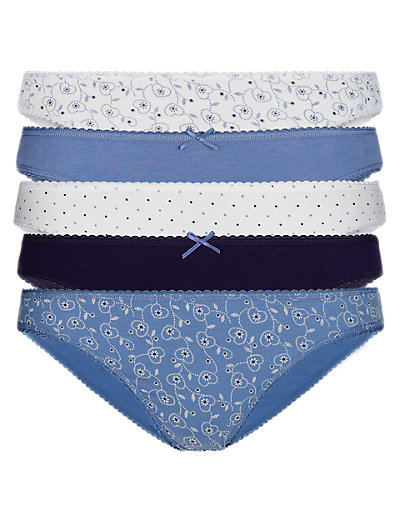
    Why do I keep buying M&S knickers?
M&S knickers    I don’t have an underwear fetish, but as my lingerie drawer contents is looking more like  ‘lingertoolong’ underwear, my thought process jumps to - need more M&S knickers, about time I went to M&S, England. 
    I hear you cry, ‘Why not buy online!

29 Oct 2016

12 reasons why migrants make good artists.


  I have come across interesting books, talks, artists, singers, generally great creative people who are migrants. A quick search reveals some of the famous migrant artists or creative people.
  In 20 famous migrants to the UK, migrant artists/creatives include Handel, Karl Marx, Sigmund Fred, Marks and Spencer originators. In the United States of America famous migrant artists include Einstein, Bruce Willis, Joni Mitchell, Isabell Allende, Charlize Theron.

Jacob Lawrence Migration Series
  The list of migrant artists is endless. Have a search for migrant artists in the country you live in.
  The twelve reasons migrants make good artists could be expanded. Should you have some more to add then type away in the comments below.
  Migrant art offers a fresh perspective. The combination of the artist's countries produces art that keeps us stimulated. The differences are what makes the art attractive or interesting.

"A lot of flowers make a bouquet." Muslim origin

 12 reasons migrants make good artists.

7 Sept 2016

Ten tips to make a great first impression

Ten tips to make a great first impression
First Impressions
First impressions are influential, you don’t get a second chance.  What do first impressions mean for an immigrant?  This was part of Newsletter 12, but as it was so popular, I thought it worth its own blog. This blog will look at:

  • First impressions of the place you have chosen to live.
  • My first impression of New Zealand
  • First impressions of people you see in that place. 
  • First impressions of how people see you.
  • How migrants can make a great first impression.

29 Aug 2016

Where are you from or where are you local?

Taiye Selasi, in her Ted talk, suggests that rather than ask where we are from, we should ask where we are local? Based on the idea that it is our experiences that shape us, we should discard the concept of a country identity, countries change in name and borders, and instead look at what are our rituals, relationships and restrictions. (The below quotes are taken from the transcript of her Ted talk.) During her talk she suggested:

"First, think of your daily rituals, whatever they may be: making your coffee, driving to work, harvesting your crops, saying your prayers. What kind of rituals are these? Where do they occur? In what city or cities in the world do shopkeepers know your face? As a child, I carried out fairly standard suburban rituals in Boston, with adjustments made for the rituals my mother brought from London and Lagos. We took off our shoes in the

Where are you from? What are they really asking?


Where are you from?
Would you go back?
What brought you here?


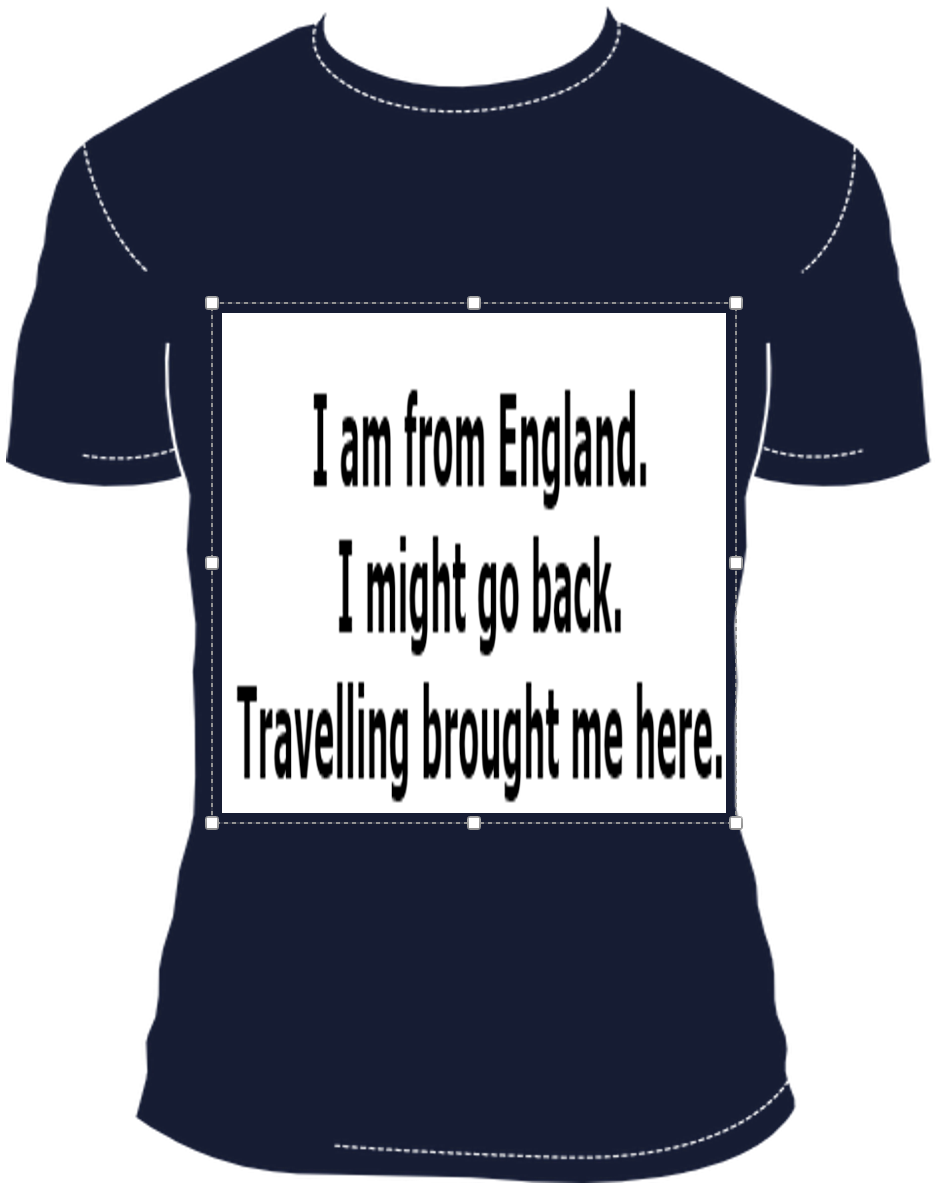
These questions are so frequently asked for most migrants. When I was first a migrant, I often wished I had a t-shirt with the answers printed on them. I’m sure the questioner’s intentions are genuine and kind, but I now find myself pausing prior to answering. What do they want to hear? How do I answer? 


‘Where are you from’

I am from England. Images of tea-drinking- weather-obsessed- whinging-poms living in Downton Abbey or Coronation Street appear between me and the questioner. I am not that. If I answer I am from London stereotypes of Camden Market punks, opera and Eastenders pop up. I am not that either. My mother did come from East Ham, and I do drink a lot of tea, but there the stereotypes stop.

I often wonder, when asking where are you from, what are they really asking? It could be: